
Hemingway in Cuba: Finca Vigía, Cojímar, and the Bars He Loved

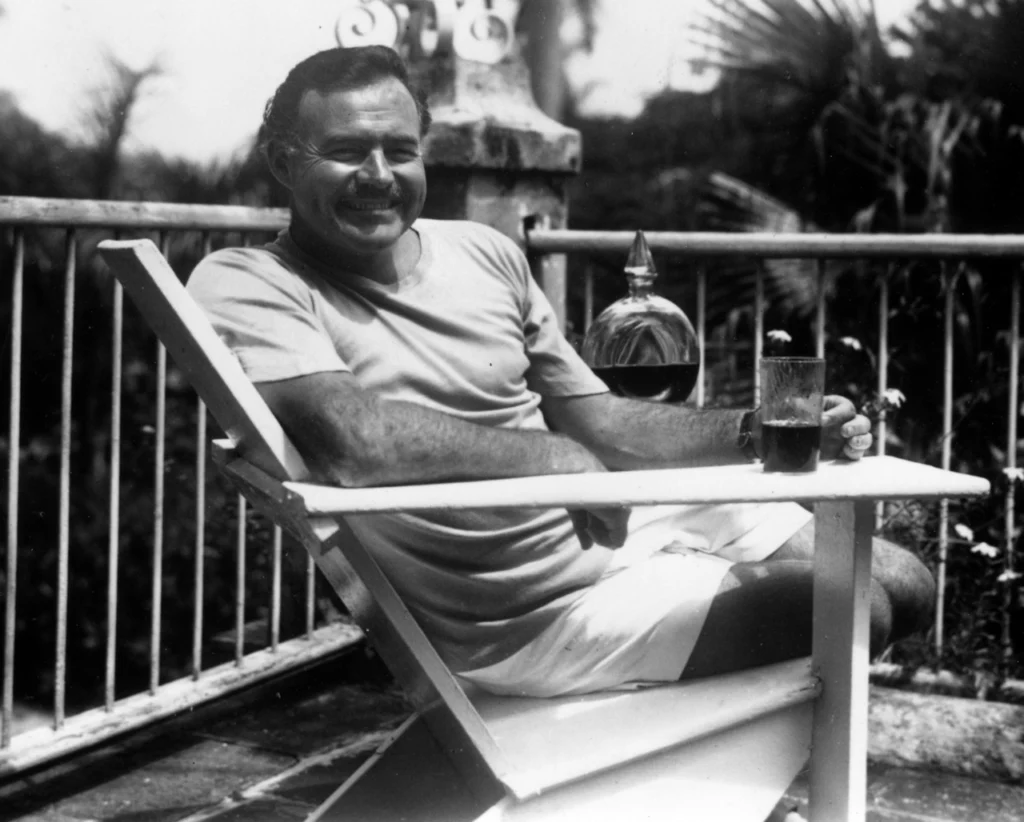
Ernest Hemingway lived in Cuba from 1939 to 1960, longer than anywhere else. His home was Finca Vigía (Lookout Farm) outside Havana, where he wrote The Old Man and the Sea; his favorite spots included Cojímar, El Floridita, and Hotel Ambos Mundos. The Cuban years cover the dates, the house, the bars, and the one movie that has borrowed his Cuban backdrop.
- Hemingway’s 21 Years in Cuba: A Timeline
- Finca Vigía: The House Where Hemingway Wrote
- Cojímar, El Floridita, and the Bars Hemingway Frequented
- The Old Man and the Sea, the Pulitzer, and the Nobel Prize
- Hemingway, Politics, and the Accusations Against Him
- Visiting Hemingway’s Cuba Today
- The 2016 Movie: Papa Hemingway in Cuba
- FAQ
- Sources
Hemingway’s 21 Years in Cuba: A Timeline
Hemingway’s Cuban years are easiest to follow as a timeline. The dates below follow the Hemingway Collection at the John F. Kennedy Presidential Library and Museum. Hemingway settled at Finca Vigía in 1939 with the writer Martha Gellhorn, his third wife, and bought the property in 1940. Gellhorn lived there with him through the early 1940s; the marriage ended in 1945.
| Year | Event |
|---|---|
| 1939 | Hemingway settles at Finca Vigía outside Havana with Martha Gellhorn. |
| 1940 | He buys the house. |
| 1942–1944 | He uses Pilar for U-boat patrols off Cuba’s north coast. |
| 1945 | He and Gellhorn divorce; Mary Welsh Hemingway becomes his fourth wife. |
| 1952 | He publishes The Old Man and the Sea, set in Cojímar. |
| 1953 | He wins the Pulitzer Prize for Fiction. |
| 1954 | He wins the Nobel Prize in Literature. |
| 1960 | He leaves Cuba in July with Mary Welsh Hemingway. |
The 1939 arrival began his longest residency in one place. Between 1942 and 1944 he equipped Pilar to patrol for German submarines, an overlap with Cuba’s naval history covered in Cuba during World War II. The 1952 publication of The Old Man and the Sea strengthened his literary standing, bringing the Pulitzer in 1953 and the Nobel in 1954. In July 1960 he left Cuba with Mary Welsh Hemingway, his fourth wife.
Finca Vigía: The House Where Hemingway Wrote
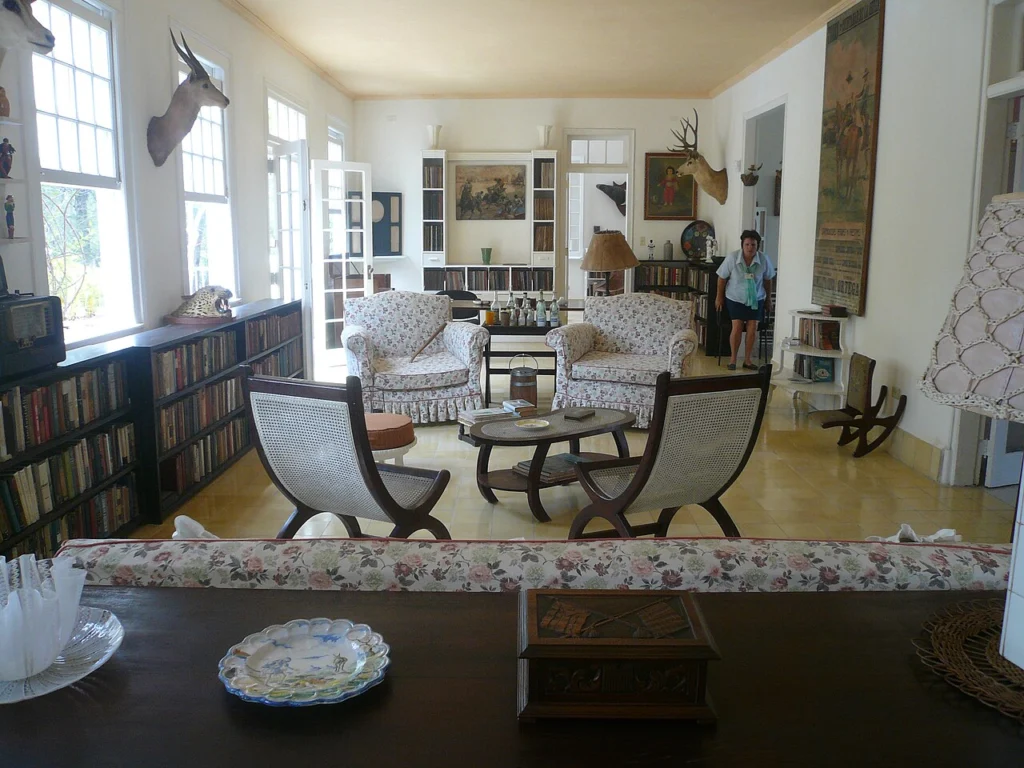
Finca Vigía is the house most readers mean by Hemingway’s Cuba house. The name means Lookout Farm, a reference to its hilltop position in San Francisco de Paula, a small town southeast of Havana. He rented it in 1939, bought it in 1940 for a reported $12,500, and kept it as his main residence for two decades. The single-story house held his library of roughly 9,000 books, his typewriter, and a swimming pool. It stayed furnished with his books, papers, and hunting trophies after he left, and he wrote much of The Old Man and the Sea there. As of 2024, the museum at Finca Vigía is kept much as he left it, but visitors generally see the rooms from doors and windows to protect the fragile interiors.
Cojímar, El Floridita, and the Bars Hemingway Frequented
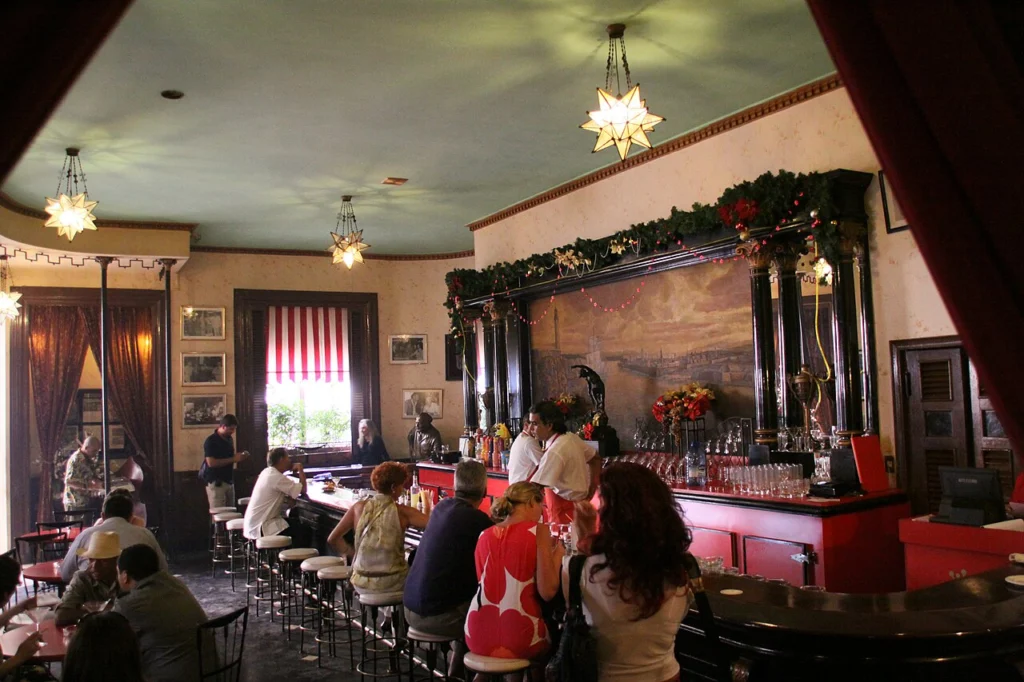
Hemingway’s Cuba bar choices were split between a fishing village and two Old Havana rooms. Cojímar, a small port east of Havana, was the village that inspired the coastal world of The Old Man and the Sea, and he kept Pilar there. El Floridita, a bar-restaurant in Old Havana, became his place for daiquirís; it still serves the drink and keeps a bronze statue of him at the bar. Hotel Ambos Mundos, also in Old Havana, was his first Havana base in the 1930s, and room 511 is maintained as a small Hemingway room with a desk and personal objects. The three places remain working sites for visitors. For another Cuban cultural line, Cuban music from Isla de Pinos shows rhythms beyond the capital.
The Old Man and the Sea, the Pulitzer, and the Nobel Prize
The Old Man and the Sea, published in 1952, is the work most often named as Hemingway’s greatest novel. It follows an old fisherman’s struggle with a marlin in the Gulf Stream, the waters visible from Cojímar. The book won the Pulitzer Prize for Fiction in 1953, and the Nobel Prize in Literature followed in 1954. The old fisherman, Santiago, is sometimes linked to Gregorio Fuentes, captain of Pilar for many years; oral history makes that connection, though it remains debated.
Hemingway, Politics, and the Accusations Against Him
Before Cuba, Hemingway’s support for the Spanish Republic had already marked him as a left-leaning public figure, and that reputation followed him through the Cuban years. The FBI kept files on him, and after the 1959 Cuban Revolution his cordial relationship with Fidel Castro fed accusations of communist sympathies. As of 2024, historians note that no formal charges were brought; the concern was surveillance, not prosecution.
Visiting Hemingway’s Cuba Today
Finca Vigía operates as Museo Hemingway, part of Cuba’s national heritage system. As of 2024, visitors can tour the grounds and see the house’s rooms from doorways and windows; the interior is not fully open to protect the collection. El Floridita and Hotel Ambos Mundos remain working establishments in Old Havana, and Cojímar’s waterfront keeps its small port character. The museum’s collection includes Hemingway’s manuscripts, letters, and photographs, many digitized in a joint Cuban-American preservation project. Opening rules change, so confirm current hours with Cuban state media or official tourism pages before visiting.
The 2016 Movie: Papa Hemingway in Cuba
The 2016 drama Papa Hemingway in Cuba, directed by Bob Yari, follows a young journalist, Ed Myers, who travels to Havana and meets Hemingway. It is a fiction set inside Hemingway’s Cuba, useful for seeing the locations on screen, but it is not a biographical account. For more on Havana’s film history, see Havana’s film history.
FAQ
Did Hemingway have a house in Cuba?
Yes: Finca Vigía, outside Havana, from 1939 (bought in 1940) until he left in July 1960.
What was Hemingway accused of?
The FBI monitored him for possible left-wing ties, and some accused him of communist sympathies; no formal charges followed.
What is considered Hemingway’s greatest novel?
Critics often name The Old Man and the Sea, set in Cojímar; it won the 1953 Pulitzer before his 1954 Nobel Prize.
What was Ernest Hemingway’s life like?
In Cuba it was a routine of writing, fishing aboard Pilar, and socializing at El Floridita, shaped by fame, war wounds, and depression.
Sources
John F. Kennedy Presidential Library and Museum, Hemingway Collection · The Nobel Prize · Museo Hemingway / Finca Vigía, Consejo Nacional de Patrimonio Cultural, Cuba.
Keep reading