
Cuban Science Fiction Literature: Key Authors and Works

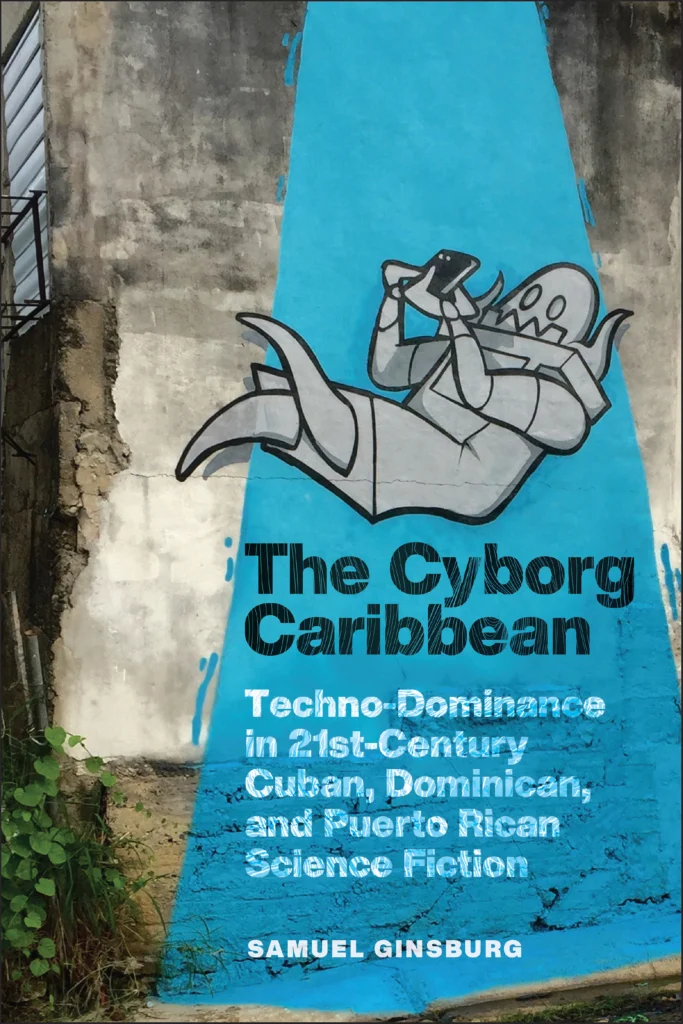
Cuban science fiction literature is speculative fiction by Cuban writers. It spans revolutionary-era visions by Agustín de Rojas, satirical futures by Yoss, and the myth-infused narratives of Daína Chaviano. The genre draws on Soviet science, Afro-Cuban folklore, and everyday life on the island.
What is Cuban science fiction?
Cuban science fiction refers to speculative fiction written by authors born in Cuba or rooted in the island’s cultural and political context. It emerged as a distinct current in the 1960s, when state institutions promoted scientific education after the 1959 revolution.
Early stories often combined Soviet-style science, references to Afro-Cuban religion, and daily life on the island. The David Award (Premio David) for science fiction, organized by the science and technology magazine Juventud Técnica, has given emerging writers a regular outlet.
The island’s speculative tradition also includes fantasy and horror, but the core of the genre remains science fiction. Cuban science fiction authors have never formed a single school. Instead, they move between revolutionary optimism, post-Soviet satire, and mythological narratives.
Three moments of Cuban science fiction
Cuban science fiction has moved through three overlapping moments. The titles below illustrate how the genre shifted from space-age optimism to satire and diaspora perspectives.
1960s–1980s: Revolutionary science and space
Early Cuban science fiction reflected the educational and scientific optimism of the revolutionary government. Writers set stories in laboratories, space stations, or future socialist societies, often published in state magazines. Agustín de Rojas’s novel Espiral, published in 1982, became the period’s best-known work; it combines cosmonauts, contact with a galactic civilization, and political questions about collective life.
Daína Chaviano’s Fábulas de una abuela extraterrestre (1988) brought a different register, mixing Afro-Cuban mythology and fantasy with science-fictional settings. By the late 1980s, the genre had moved beyond purely technological optimism. The David Award had helped consolidate a generation that read and debated science fiction as serious literature.
1990s–2000s: Post-Soviet satire and the Special Period
The collapse of the Soviet Union ended Cuban science fiction’s main source of institutional support and paper. The economic crisis of the Special Period (Periodo Especial) brought shortages of paper and imported books, reduced print runs, and made translation deals rare. Writers turned to satire, urban unease, and the contradictions of a socialist island dealing with globalization.
Yoss, the pen name of a Havana-based writer and biologist, published Se alquila un planeta (Planet for Rent) in 2001, a linked-story collection in which Earth is rented out to alien civilizations. Daína Chaviano’s El hombre, la hembra y el hambre (1998) approached the Special Period through a woman’s conversations with spirits in Havana’s historic center. These works kept science fiction recognizably Cuban while abandoning the earlier space-race tone.
2010s–present: New voices and diaspora
Since the 2010s, Cuban science fiction has grown less centralized. Writers based in Havana and abroad publish in Spanish and, increasingly, in English translation. Michel Encinosa and Elaine Vilar Madruga are among the newer names cited by critics and bibliographers, although translation of their work remains limited.
Themes have expanded to include cyberpunk, ecological collapse, and queer perspectives. The diaspora has also created a readership for Cuban science fiction outside Cuba, especially in the United States and Spain. Digital editions now reach readers abroad more easily than printed books, although print distribution inside Cuba remains limited.
Three names dominate English-language discussion of Cuban science fiction: Agustín de Rojas, Daína Chaviano, and Yoss. The table below lists each writer’s representative work, original publication year, and English translation where one exists. It is limited to one representative work per author; each writer has a larger bibliography.

The Internet Speculative Fiction Database catalogs editions and translations of these titles.
| Author | Representative work | Year | English translation |
|---|---|---|---|
| Agustín de Rojas | Espiral | 1982 | No widely available English edition |
| Daína Chaviano | Fábulas de una abuela extraterrestre | 1988 | No widely available English edition |
| Yoss | Se alquila un planeta | 2001 | A Planet for Rent (Restless Books, 2015) |
The table treats an English translation as widely available when a commercial edition exists; it does not include fan translations or partial excerpts. De Rojas wrote ambitious novels of cosmic scale; Chaviano blends science fiction with Afro-Cuban myth; Yoss favors satire and urban settings. Together they show how Cuban science fiction authors have used the genre to examine the island’s past, its difficult present, and possible futures. Readers new to the field can use this table as a map before choosing a starting point.
Where to start reading in English
English-language readers have two well-distributed entry points. Yoss’s A Planet for Rent is the Restless Books translation of Se alquila un planeta and appeared in 2015. Agustín de Rojas’s The Year 200 is also available from Restless Books.
Classic Spanish-language titles such as Espiral and Fábulas de una abuela extraterrestre remain mostly available in Spanish; readers comfortable with the original can find them through library catalogs and second-hand markets. Cuban sci-fi books in English translation remain few, so these two titles are the most practical starting points. The Restless Books editions are available through major online retailers and many US public libraries.
Sources and further research
The most useful starting points for verifying details of Cuban science fiction are The Encyclopedia of Science Fiction, the Internet Speculative Fiction Database, and Restless Books. The Encyclopedia of Science Fiction provides historical background through its Cuba entry.
The Internet Speculative Fiction Database catalogs original editions and translations. Restless Books publishes and sells the English translations mentioned above.
Researchers can also consult the original works themselves: Espiral (1982), Se alquila un planeta (2001), and El hombre, la hembra y el hambre (1998).
For more about CubaNow's editorial approach, see our About page.
FAQ
Who are the main Cuban science fiction authors? Agustín de Rojas, Daína Chaviano and Yoss are the names most often cited; newer voices include Michel Encinosa and Elaine Vilar Madruga.
What is the best Cuban science fiction book to start with? English readers can start with Yoss’s A Planet for Rent or Agustín de Rojas’s The Year 200, both available in translation.
Is Cuban science fiction only about the Revolution? No, it ranges from revolutionary-era optimism and space exploration to post-Soviet satire, cyberpunk and Afro-Cuban myth.
Where can I find reliable information on Cuban science fiction? The Encyclopedia of Science Fiction and ISFDB offer author and title records; publisher pages list available translations.
Keep reading