
Desi Arnaz I Love Lucy Legacy: The Cuban Who Changed TV

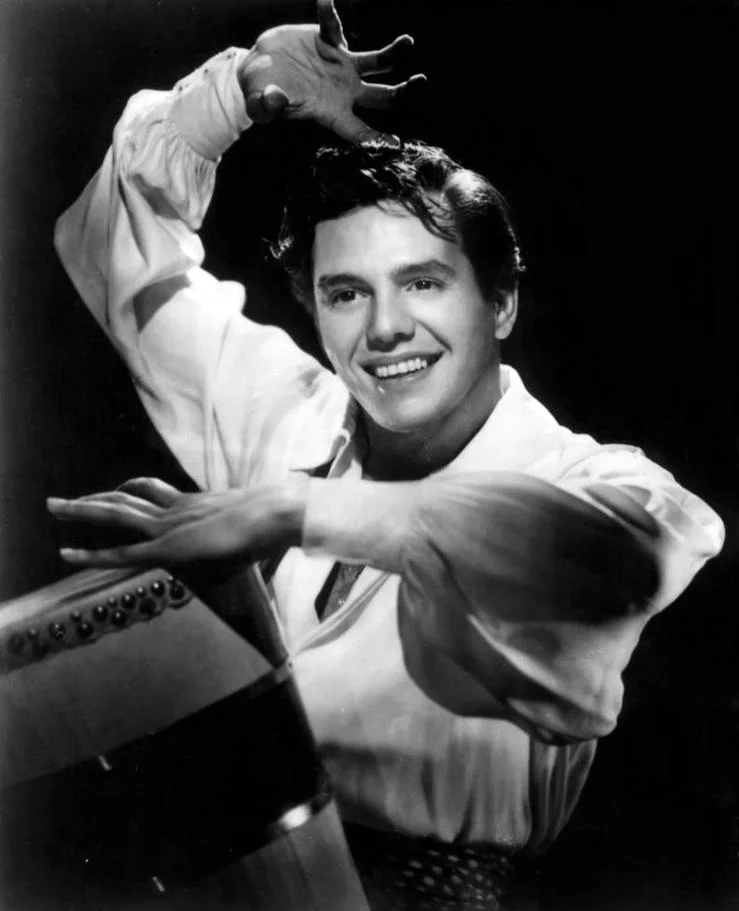
Desi Arnaz —born in Santiago de Cuba on March 2, 1917, and died in Del Mar, California, on December 2, 1986— was the Cuban-born musician, actor and producer who co-created I Love Lucy with Lucille Ball. He introduced the three-camera sitcom format and built Desilu Productions, shaping how American television was made, filmed and distributed.
- Desi Arnaz at a Glance: Key Dates and Facts
- I Love Lucy: Cast, Dates and the Three-Camera Format
- From Santiago de Cuba to Hollywood
- The Desilu Industrial Legacy
- The Cuban Musical Legacy: Babalú, Conga and the American Band
- Marriage, Divorce and a Working Friendship
- FAQ: Desi Arnaz and I Love Lucy
- Sources
Desi Arnaz at a Glance: Key Dates and Facts
The dates below follow biographical records at the Library of Congress. They trace a path from Santiago de Cuba to Miami, New York, Hollywood and finally a production company that changed television.
CubaNow covers Cuban cultural figures and their influence across the Americas; see About CubaNow.
| Date | Event |
|---|---|
| March 2, 1917 | Born in Santiago de Cuba |
| 1933 | Reached Miami after the family left Cuba |
| November 30, 1940 | Married Lucille Ball |
| October 15, 1951 | I Love Lucy premiered on CBS |
| May 6, 1957 | I Love Lucy ended its original run |
| 1960 | Divorced from Lucille Ball |
| December 2, 1986 | Died in Del Mar, California |
I Love Lucy: Cast, Dates and the Three-Camera Format
I Love Lucy ran on CBS from October 15, 1951, to May 6, 1957, producing 180 episodes. The main cast had four players.
| Cast member | Role |
|---|---|
| Lucille Ball | Lucy Ricardo |
| Desi Arnaz | Ricky Ricardo |
| Vivian Vance | Ethel Mertz |
| William Frawley | Fred Mertz |
Arnaz insisted on filming before a live audience with three cameras on 35 mm film. Three cameras captured the same live performance from different angles, so editors could cut between wide shots and close-ups without stopping the action. That decision preserved the episodes for high-quality syndication, giving the show a second life after its original run. The Television Academy maintains a searchable database of Emmy Awards and nominations.
The three-camera setup was not television's first comedy format, but it was new for a sitcom. Arnaz and Ball owned the episodes through Desilu, which let them control replays and licensing in a way few early performers could. Ricky Ricardo was written as a Cuban bandleader, folding music into the comedy.
The nightclub scenes made Arnaz's real musical career part of the fiction, while the domestic scenes made the Ricardos one of television's most recognizable couples. That visual rhythm influenced later multi-camera comedies.
From Santiago de Cuba to Hollywood
Desi Arnaz was born in Santiago de Cuba on March 2, 1917, into a family with political and landowning roots. After the 1933 Cuban revolution, the family left the island and Arnaz reached Miami as a teenager. He later described the move as a sharp break from the world he had known.
In Florida he worked at odd jobs before music gave him a path. Cuban songs and percussion, especially the conga, became his main work in New York nightclubs and touring bands. The Miami years shaped his accent and his ease with American audiences, but Cuban rhythms stayed at the center of his act.
By the late 1930s he led his own band and had begun recording the Afro-Cuban material that would define his stage persona. That repertoire reached millions through I Love Lucy, where Ricky Ricardo's club scenes gave the conga a weekly slot on CBS.
The Desilu Industrial Legacy
Desilu Productions became the studio behind several defining shows of the 1960s. The company built on Arnaz's earlier production decisions: three cameras, 35 mm film, and a live audience. The Paley Center for Media houses an archive of more than 160,000 television and radio programs and advertisements, covering more than a century of media history.
- The Andy Griffith Show
- The Untouchables
- The Dick Van Dyke Show
- Star Trek
These titles show the range of the Desilu catalog, from rural comedy to urban crime drama and science fiction. Desilu was later sold and became part of Paramount Television.
The sale did not erase Arnaz's imprint; the three-camera setup and filmed-in-advance model remained standard for American sitcoms. The rerun market, which Arnaz helped create by filming episodes on 35 mm, turned Desilu's library into a durable asset.
Syndication made the company's shows available to generations of viewers and set a template for how studios monetized old episodes. Perhaps the most durable Desilu title is Star Trek, which premiered during the company's final years and grew into a franchise after its initial run. Arnaz was no longer running the company by then, but the studio he built gave the series its first home.
Desilu also produced The Lucy Show after Ball and Arnaz divorced, keeping the creative partnership alive in production form. The company's influence is visible in every multi-camera comedy filmed before an audience.
The Cuban Musical Legacy: Babalú, Conga and the American Band
Arnaz's most visible musical signature was Babalú, a song he performed in nightclubs and on I Love Lucy. The tune, associated with Afro-Cuban tradition, became a shorthand for his stage persona and for the island in American popular culture.
He did not invent the conga, but he gave it a weekly platform in prime time. When Ricky Ricardo led the band through a conga line, millions of viewers heard Afro-Cuban percussion in a domestic sitcom setting. Historians note that this exposure helped move the conga from nightclubs and dance halls into mainstream American entertainment.
The Desi Arnaz Orchestra also carried Cuban, Afro-Cuban, and jazz influences into recording sessions. Songs from the show became part of the commercial soundtrack of 1950s television, and Arnaz sometimes sang in Spanish on network air.
Spanish-language performance and Afro-Cuban rhythm were rare on network prime time, and Arnaz made them a regular part of a top-rated comedy. The result was a double legacy: a Cuban bandleader became one of the most familiar television personalities in the United States, while the conga and Babalú remained attached to his name for decades.
Marriage, Divorce and a Working Friendship
Desi Arnaz and Lucille Ball married on November 30, 1940. Their personal and professional lives were fused from the start; they created I Love Lucy as a married couple and played a married couple on screen.
The original series ended in 1957, and the marriage ended in divorce in 1960. Even after the divorce, they remained business partners at Desilu and, by most published accounts, friends. In later interviews, Ball described Arnaz as an enduring presence in her life.
Their working relationship continued through The Lucy Show, which Desilu produced. The divorce was widely covered, but the continued friendship was the more lasting note in later accounts. That mix of affection and collaboration is part of why the Arnaz-Ball story still draws interest.
FAQ: Desi Arnaz and I Love Lucy
Did Desi Arnaz love Lucille Ball?
Yes. They married in 1940, divorced in 1960, and remained friends and business partners; Ball later described him as an enduring love in her life.
Who were the main cast members of I Love Lucy?
Lucille Ball, Desi Arnaz, Vivian Vance, and William Frawley.
How old was Desi Arnaz in the first episode of I Love Lucy?
He was born on March 2, 1917, and the first episode aired on October 15, 1951, so he was 34.
When did I Love Lucy air?
It aired from October 15, 1951, to May 6, 1957, across 180 episodes.
Sources
- Television Academy
- The Paley Center for Media
- Library of Congress
Keep reading