
How The New York Times Covered the Cuban Revolution

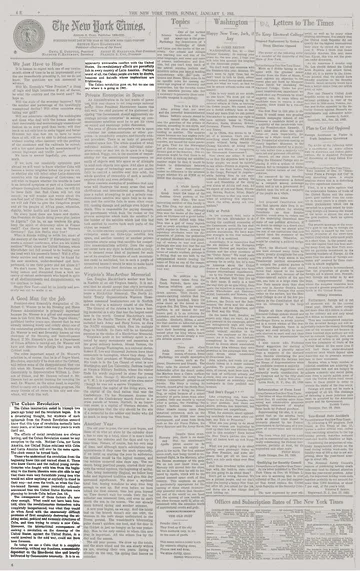
The New York Times covered the Cuban Revolution from January 1, 1959, with front-page reports on Batista’s flight and Castro’s advance. Declassified U.S. cables later showed the paper relied on official briefings and early, fragmentary reports, so first-day coverage mixed confirmed events with claims corrected days later.
What the Times Front Page Reported on 1–2 January 1959
The State Department’s Foreign Relations of the United States, its official documentary history of U.S. foreign policy, places the fall of the Batista government in documents 152–206 and Fidel Castro’s assumption of power in documents 207–272. The New York Times TimesMachine collection holds scans of the editions dated January 1 and 2, 1959. Those front pages led with headlines describing Fulgencio Batista’s departure from Cuba and the advance of rebel forces from the Sierra Maestra, the mountain range in eastern Cuba where Castro’s movement had its base. The reports carried bylines from Times staff correspondents and wire-service attributions, and the paper relied on agency dispatches and maps to describe a fast-moving situation. Front-page reporting treated Havana as the center of a transfer of power still in progress, noting who controlled key cities and what Batista’s exit meant for the government he left behind.
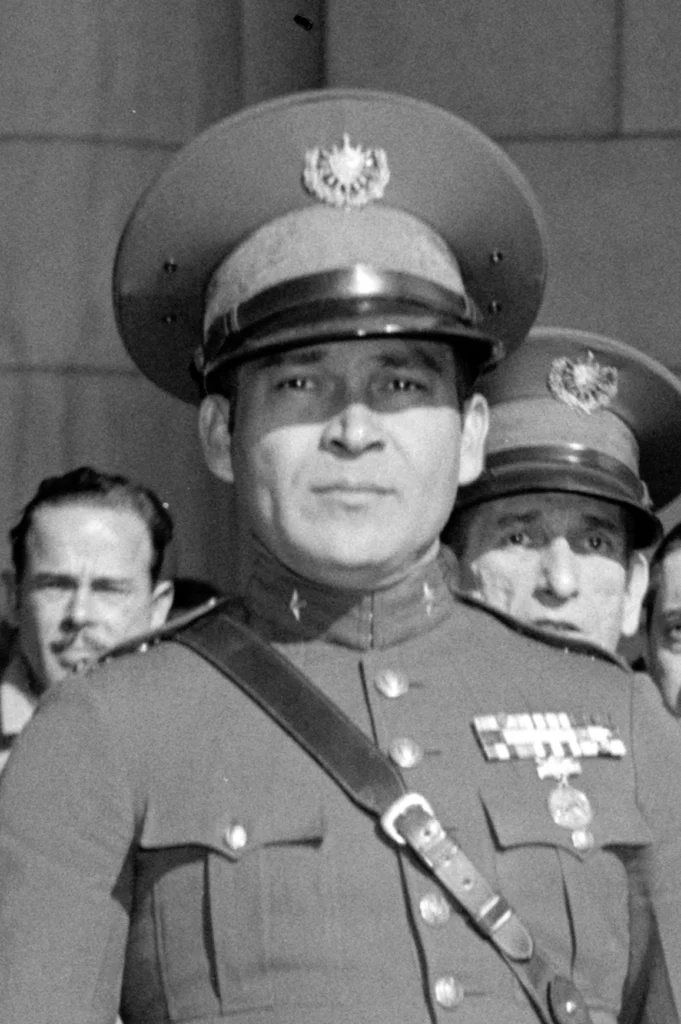
Because the events unfolded overnight, editors leaned on wire copy and on reporters filing from Cuba and Florida. The result was a front page built around confirmed departures and reported advances, with names and locations attributed to sources. Maps helped situate the rebel columns and the cities where control was disputed. Some details changed between early and later editions of the same day. This early coverage gave the revolution its first front-page framing for U.S. readers.
Immediate Corrections and Uncertainties in the Coverage
Follow-up stories in the TimesMachine collection from January 2 and 3 show editors adjusting details as more information arrived. The FRUS volume offers a parallel record of those early days: the section “Fall of the Batista government, November–December 1958” and the heading “Fidel Castro’s assumption of power, January–April 1959” signal that U.S. officials were still working through the meaning of the change. Reports noted that control of some cities remained unclear, and statements by political and military leaders were still being confirmed. The paper did not present the first-day account as final; it kept revising positions and attributions in successive editions.
Wire copy from Havana and Miami moved quickly, but details such as the timing of Batista’s departure and the composition of the provisional government remained fluid. Later editions also carried reports from Santiago de Cuba and other cities outside the capital, widening the geographic frame beyond the initial focus on Havana. The follow-up reporting underscores that the first-day version was a snapshot, not a final historical record.
Declassified Cables vs. the Published Story
Foreign Relations of the United States, 1958–1960, Volume VI: Cuba groups diplomatic records on the fall of the Batista government and Fidel Castro’s assumption of power. The National Security Archive at George Washington University posts declassified U.S. government documents on Cuba-related topics, including its Cuban missile crisis 50th anniversary exhibit. Together these sources allow a comparison between what the public read and what officials reported privately.
| Theme | What the Times front page emphasized | What declassified U.S. records show |
|---|---|---|
| Batista’s departure | Front-page reports described Batista’s flight and the collapse of his government. | FRUS documents 152–206, “Fall of the Batista government, November–December 1958,” track the collapse and U.S. assessments of the transition. |
| Arms policy toward Batista | First-day coverage centered on events in Havana, not on earlier U.S. arms decisions. | FRUS documents 1–68 show the U.S. government re-evaluating arms shipments to Batista between January and June 1958. |
| Rebel consolidation | Reports followed the advance of Castro’s forces toward Havana and the formation of a new government. | FRUS documents 207–272 cover Castro’s assumption of power from January to April 1959. |
| Official information | The paper relied on agency dispatches and official briefings, with corrections in following days. | The FRUS volume groups records under changing headings, indicating that U.S. officials were still assessing the transition as it happened. |
This comparison does not show a simple contrast between a naive press and a well-informed government. Instead, it shows two reporting systems moving at different speeds, one public and one private, both trying to keep up with events.
How the Paper’s Framing Evolved in the First Week
During the first week of January 1959, the paper’s coverage moved from fast agency updates toward news analysis and signed pieces. Herbert L. Matthews, one of the Times correspondents most associated with Cuba, appears in the TimesMachine collection among the early signed reporting; Ruby Hart Phillips was another byline known to readers of the paper’s Cuba coverage. Their pieces, together with news analyses, reflected an effort to explain Castro’s political position and the likely shape of the new government. The shift did not mean the paper had a settled line; reports continued to note unresolved questions about control and leadership. Later in January, the framing became more analytical as reporters sought to explain what Castro’s movement meant for U.S. policy.
Matthews’s presence mattered because he had already established a reputation as a correspondent who wrote about Cuban politics in depth. The signed pieces of early January gave readers context that wire dispatches could not provide: how the rebel movement organized itself, what its leaders said in public, and how the old government had collapsed. This analytical turn accompanied, rather than replaced, the continuing stream of factual updates.
The Archival Record and Early Coverage
Foreign Relations of the United States and the National Security Archive’s Cuba-related postings, such as its special exhibit on the Cuban missile crisis 50th anniversary, provide the main available record for checking the early coverage. They do not settle questions of tone or bias, but they allow a source-based comparison between public reporting and private diplomatic reporting. The FRUS volume indexes the fall of the Batista government and Castro’s assumption of power, while the archive posts declassified collections on later Cuba episodes. Read alongside the Times front pages, this record shows that the first-day account was a work in progress, shaped by the information available at the time and revised as that information changed.
For this site’s editorial approach, see About CubaNow. For how visitor data is handled, see the Privacy Policy. For the rules that govern use of the site, see the Terms of Use.
FAQ
What did The New York Times report on January 1, 1959?
Front-page reports described Fulgencio Batista’s departure and the advance of Fidel Castro’s forces from the Sierra Maestra, with agency dispatches and maps showing events still unfolding.
Did The New York Times favor Fidel Castro in early 1959?
Initial coverage was generally optimistic and leaned on official briefings. Later signed pieces, including those by Herbert L. Matthews, fueled debate about the paper’s tone.
What do declassified U.S. cables show about the coverage?
The FRUS volume groups documents on the fall of the Batista government and Castro’s assumption of power, showing U.S. officials were still assessing the transition as it happened; the public coverage mixed confirmed facts with claims corrected later.
Who were the main New York Times reporters on the Cuban Revolution?
Herbert L. Matthews and Ruby Hart Phillips were among the paper’s known reporters on Cuba, alongside wire-service material used in the first-day front page.
Sources
- The New York Times, TimesMachine
- U.S. State Department Office of the Historian, Foreign Relations of the United States, 1958–1960, Volume VI: Cuba
- National Security Archive, George Washington University
Keep reading